
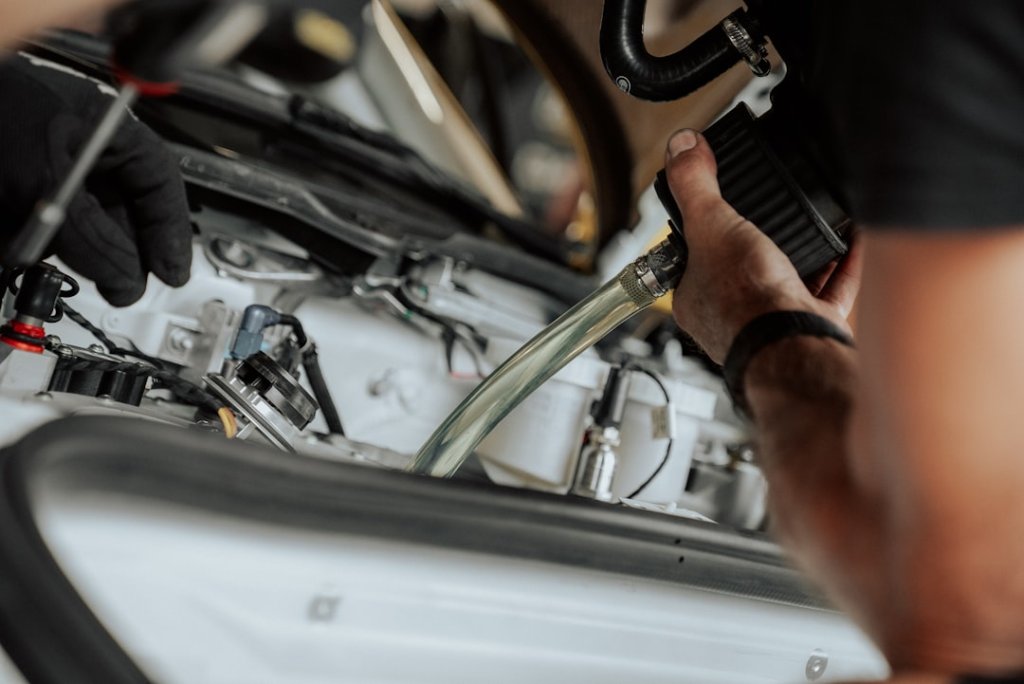
Vacuum leak car repair is one of the most common — and most overlooked — fixes a driver will ever need. If your car is idling rough, gulping fuel, or throwing a Check Engine light, there’s a real chance a tiny air leak is quietly wrecking your engine’s performance.
Here’s the short answer on how to handle it:
| Step | What to Do |
|---|---|
| 1. Spot the symptoms | Rough idle, hissing sound, poor acceleration, Check Engine light |
| 2. Diagnose the leak | Visual inspection, soapy water test, or OBD-II scan for P0171/P0174 codes |
| 3. Find the source | Cracked hose, bad gasket, faulty PCV or EGR valve |
| 4. Fix or replace | Swap the damaged hose or component; use OEM-quality parts |
| 5. Verify the repair | Clear codes, road test, re-inspect for symptoms |
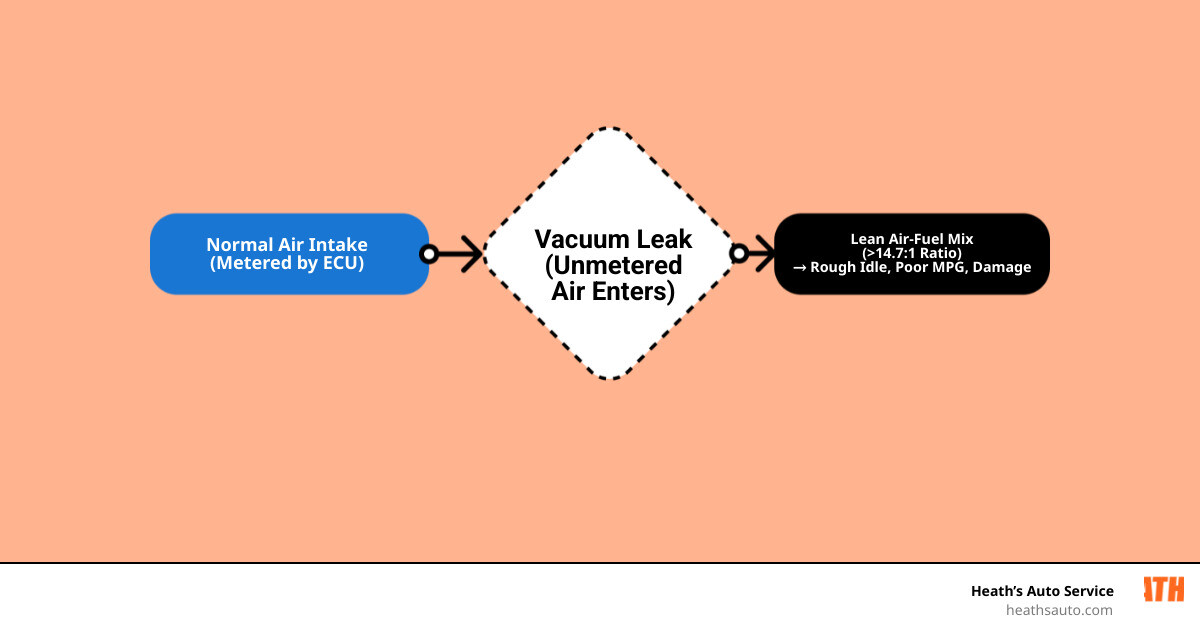
A vacuum leak throws off the precise air-fuel mix your engine depends on. Instead of the ideal 14.7:1 ratio, too much unmetered air gets in — and your engine runs lean. Left alone, that small crack in a rubber hose can slash your fuel economy by 20–30% and lead to far more expensive damage down the road.
The good news? Most vacuum leaks are fixable. Some are even a quick DIY job. But knowing where to look — and when to call a pro — makes all the difference.
Recognizing the Symptoms of a Vacuum Leak

Identifying a vacuum leak is a bit like being a detective. Your car is trying to tell you something is wrong, but it speaks in a language of hisses, stumbles, and warning lights. Because modern engines are essentially large air pumps, any “unmetered” air—air that enters the engine without being measured by the computer—disrupts the entire combustion process.
The most common Signs Your Cars Engine Has A Vacuum Leak include:
- Rough Idling: When you’re stopped at a light in Flagstaff or Prescott, does your car feel like it’s shivering? A vacuum leak is most noticeable at idle because that’s when the engine vacuum is at its highest.
- Engine Stalling: If the leak is large enough, the air-fuel mixture becomes so diluted that the engine simply can’t stay running.
- Hissing Sounds: Sometimes you can actually hear the leak. It sounds like a high-pitched whistle or the sound of a soda bottle being opened very slowly.
- Poor Acceleration: If your car hesitates when you hit the gas to merge onto the I-10 in Gilbert, a vacuum leak might be the culprit.
- Reduced Fuel Economy: When the computer detects too much air, it tries to compensate by dumping in more fuel. This “rich” compensation can tank your MPG by up to 30%.
How a Vacuum Leak Affects Car Performance
To understand why vacuum leak car repair is so vital, we have to look at the “recipe” for fire. For your engine to run perfectly, it needs a stoichiometric ratio of 14.7 parts air to 1 part fuel.
When a leak occurs, you enter what mechanics call a “lean condition”—too much air, not enough gas. The Engine Control Unit (ECU) monitors this via oxygen sensors. When it sees the lean mix, it adjusts the “fuel trim,” adding extra gasoline to prevent the engine from dying. This imbalance leads to misfires, erratic RPMs, and a loss of that smooth power you expect from your vehicle. According to How To Find Vacuum Leak | Vacuum Leak Symptoms, even a tiny leak of 0.020 inches is enough to degrade performance significantly.
Decoding the Check Engine Light
In May 2026, modern cars are smarter than ever, but they still rely on the same basic OBD-II codes to signal a vacuum leak.
The “smoking gun” codes for a vacuum leak are:
- P0171: System Too Lean (Bank 1)
- P0174: System Too Lean (Bank 2)
These codes mean your oxygen sensors have flagged an abundance of oxygen in the exhaust. While it could be a failing sensor, more often than not, it’s a physical leak in a hose or gasket downstream of the Mass Airflow (MAF) sensor.
Common Causes and Diagnostic Methods
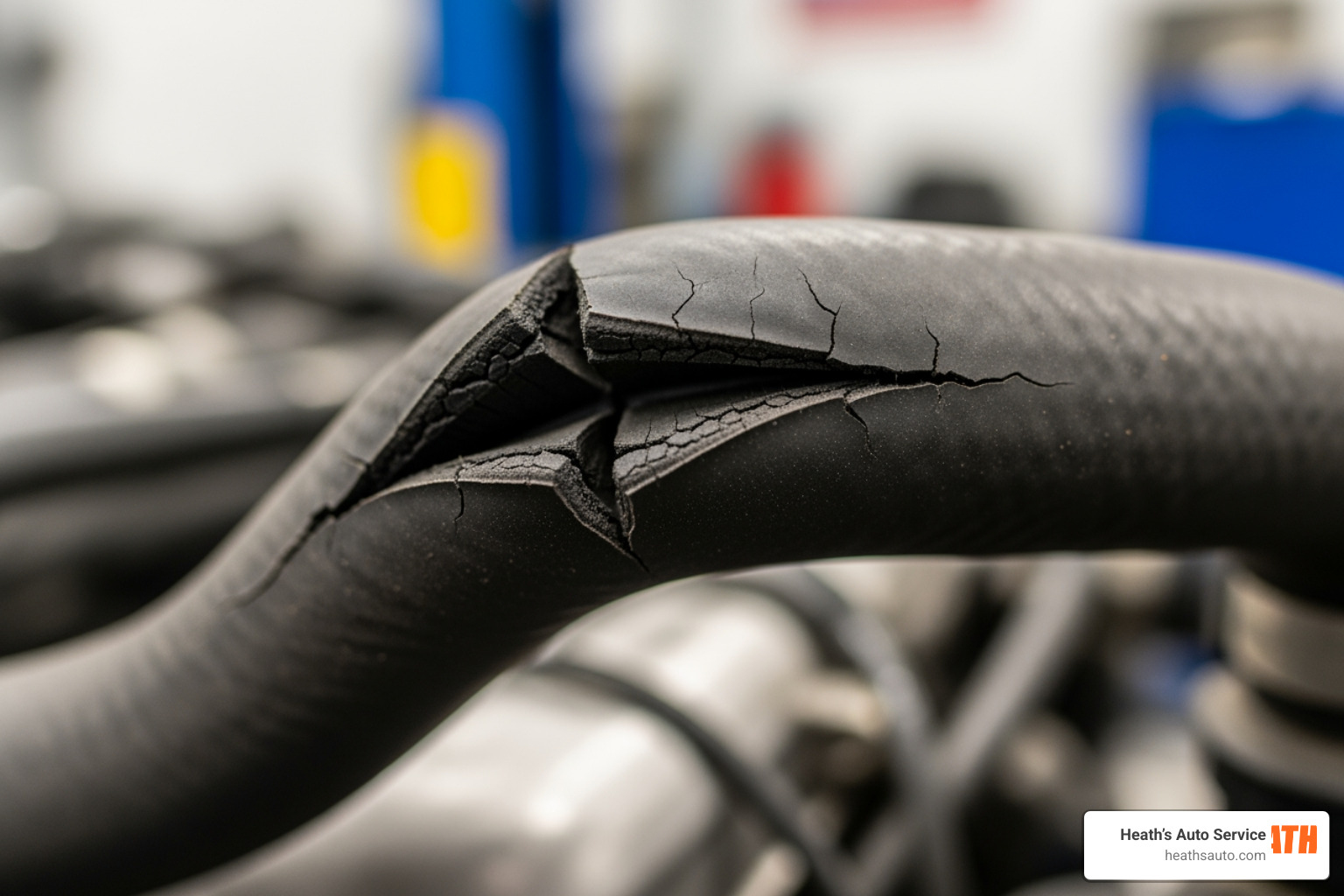
Why do these leaks happen? In our Arizona climate, heat is the number one enemy. The extreme temperatures under the hood—exacerbated by our 100-degree summers in Chandler cause rubber hoses to become brittle, hardened, and prone to cracking.
Common failure points include:
- Rubber Vacuum Hoses: These can split at the connection points or collapse internally.
- Intake Manifold Gaskets: These seals sit between the engine block and the air intake. If they dry out or slip, air rushes in.
- PCV (Positive Crankcase Ventilation) Valves: A stuck or leaking PCV valve is a major source of “metered” vacuum leaks.
- EGR (Exhaust Gas Recirculation) Solenoids: These control emissions but can leak air if the internal diaphragm fails.
- Brake Booster: If your brake pedal feels rock-hard, the large vacuum diaphragm in the booster may have a hole.
DIY Vacuum Leak Car Repair Diagnosis
If you’re a “weekend warrior,” there are several ways to hunt for a leak at home.
- Visual Inspection: Use a bright flashlight to trace every rubber line. Look for “elbows” that are cracked or hoses that feel crunchy.
- The Listening Test: Use a length of garden hose as a makeshift stethoscope. Hold one end to your ear and move the other around the engine bay. The hissing will get much louder when you’re near the leak.
- Soapy Water Method: This is the safest DIY trick. Spray a mixture of dish soap and water on suspected areas. If you see bubbles being sucked in (or blowing out in turbocharged cars), you’ve found your leak.
- The Carburetor Cleaner Trick: (Use caution!) Spraying a tiny puff of combustible carb cleaner near a leak will cause the engine RPMs to momentarily smooth out or rise as the engine “eats” the extra fuel. Warning: Do not do this on a hot engine or near spark plugs!
Professional Detection Techniques
While DIY methods are great, some leaks are “insidious”—they only happen when the engine is under load or at specific temperatures. That’s where professional vacuum leak car repair tools come in.
- Smoke Machines: We use a specialized machine that pumps thick, UV-dye-infused smoke into the intake system. As the smoke wafts out of a tiny crack, it becomes impossible to miss. This is the gold standard for accuracy.
- Ultrasonic/Acoustic Imaging: According to recent industry data, professional acoustic imaging tools can detect leaks with 95% accuracy by “seeing” the sound waves of escaping air.
- Helium Leak Testing: Used for the most stubborn cases, this involves using helium gas and a sensitive detector to find leaks smaller than a pinprick.
According to How to Find a Vacuum Leak – Smoking Out Vacuum Leaks, a smoke test can often identify a leak in under five minutes that might take hours to find manually.
Step-by-Step Vacuum Leak Car Repair Guide
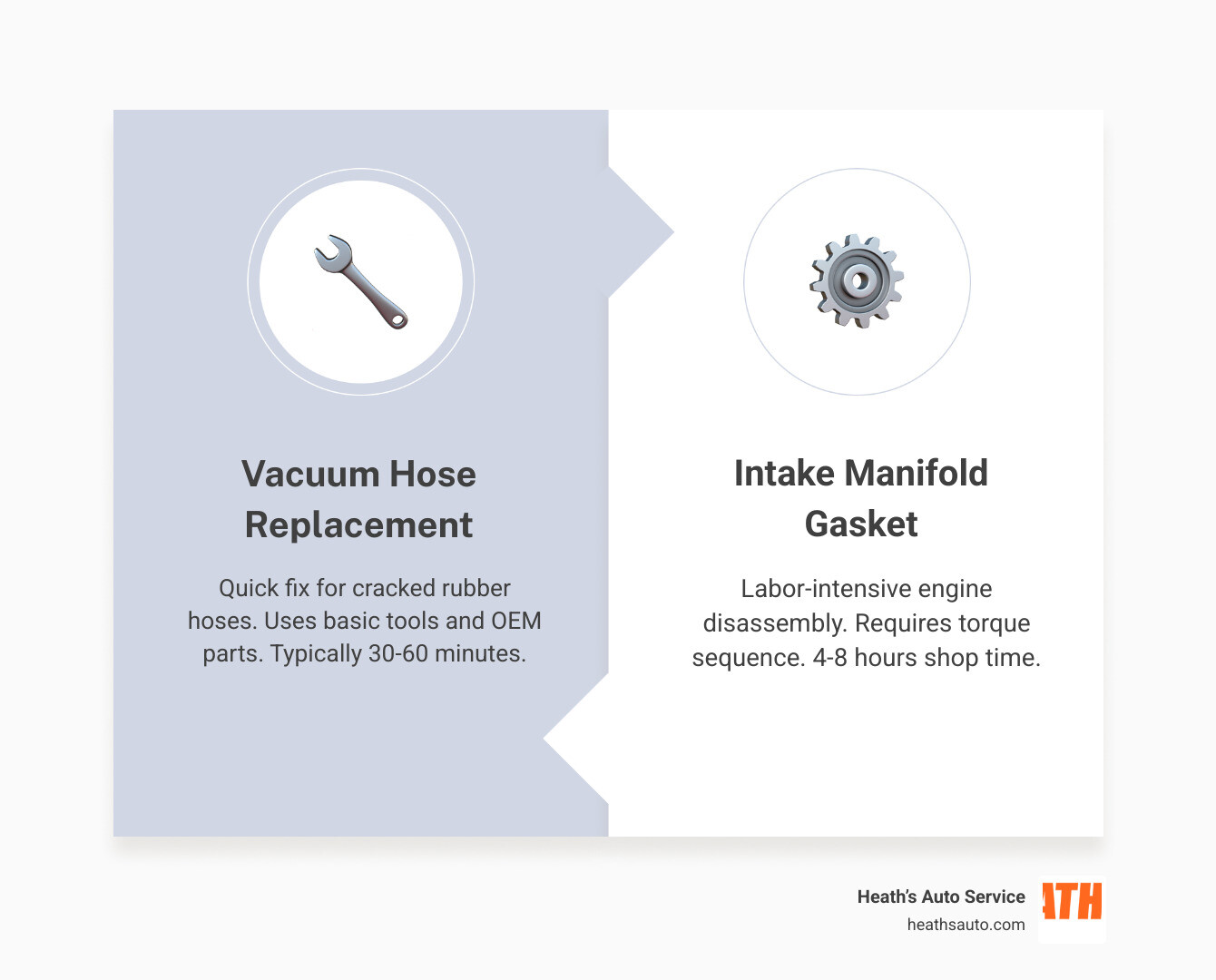
Once the leak is found, it’s time for the actual vacuum leak car repair. Depending on the location, this can range from a five-minute hose swap to a multi-hour Engine Repair job.
Replacing Damaged Hoses and Fittings
For most rubber hose leaks, the fix is straightforward. However, we always recommend using OEM (Original Equipment Manufacturer) parts. Universal hoses can sometimes kink or collapse because they aren’t molded to the specific bends of your engine.
- Step 1: Remove the old hose using pliers to loosen the clamps.
- Step 2: Take the old hose to the parts store to ensure the new one has the exact same inner diameter.
- Step 3: Clean the plastic or metal “barb” where the hose connects.
- Step 4: Install the new hose and ensure the clamps are tight but not crushing the plastic fittings.
Addressing Complex Component Leaks
Some repairs require more surgery. If your intake manifold gasket has failed, the entire top of the engine may need to come off.
- Intake Manifolds: These require specific “torque sequences” when tightening bolts. If you don’t follow the pattern, the new gasket won’t seal correctly, and you’ll be right back where you started.
- PCV and EGR Valves: These often just need a thorough cleaning with specialized solvent to restore the internal spring tension, though replacement is usually more cost-effective in the long run.
- Throttle Body Cleaning: Sometimes what looks like a vacuum leak is actually a “gunked up” throttle body that isn’t closing properly. A quick scrub with throttle body cleaner can often restore a smooth idle.
Repair Costs and Safety Risks
Budgeting for vacuum leak car repair depends entirely on the “where” and “what.” A simple hose might cost you $50, while a labor-intensive gasket job can reach into the four figures.
| Repair Type | Estimated Cost (Parts + Labor) | Complexity |
|---|---|---|
| Vacuum Hose Replacement | $100 – $250 | Low |
| PCV Valve Replacement | $150 – $300 | Medium |
| EGR Valve/Solenoid | $250 – $500 | Medium |
| Intake Manifold Gasket | $600 – $1,200 | High |
| Brake Booster Replacement | $450 – $900 | High |
The Car Diagnostic Cost is usually the first step. At Heath’s, we believe in transparent pricing, which is why we offer a 3-year/36,000-mile nationwide warranty on all our repairs.
The Risks of Ignoring a Leak
It’s tempting to ignore a small whistle under the hood, but a vacuum leak is a “silent performance killer.”
- Catalytic Converter Damage: Because the engine is running lean, it can cause misfires. Unburned fuel from those misfires eventually reaches the catalytic converter, where it burns at extreme temperatures, melting the internal honeycomb. This can turn a $200 repair into a $2,000 one.
- Overheating: Lean mixtures burn hotter. In the Arizona desert, your cooling system is already working overtime; a vacuum leak can be the “tipping point” that leads to a blown head gasket.
- Safety Hazards: If the leak affects your brake booster, your stopping distance will increase significantly.
- Fuel Waste: As mentioned, a 20-30% drop in fuel efficiency means you’re literally throwing money out of your tailpipe.
As we explain in our guide on Understanding The Importance Of Diagnostics In Auto Repair, catching these issues early is the key to vehicle longevity.
Frequently Asked Questions about Vacuum Leaks
Can a vacuum leak cause transmission problems?
Surprisingly, yes! Many older automatic transmissions and some modern systems use engine vacuum to determine when to shift. A leak can trick the transmission into thinking the engine is under more (or less) load than it actually is, leading to harsh, clunky, or delayed shifts. Before you pay for a transmission rebuild, check for a $10 cracked vacuum hose!
Is it safe to drive with a vacuum leak?
While your car might still move, it isn’t “safe” in the long-term sense. The engine hesitation can be dangerous when trying to pull out into traffic, and the potential for stalling at a busy intersection in Scottsdale or Flagstaff is a major safety risk. Plus, you won’t pass an Arizona emissions test with an active vacuum leak.
How often should I inspect my vacuum lines?
We recommend a quick visual inspection every 3 months or with every oil change. In our desert climate, rubber components age twice as fast as they do in cooler states. If a hose feels hard, brittle, or “plastic-y” rather than soft and supple, it’s time to replace it before it strands you on the side of the road.
Conclusion
A vacuum leak might start as a tiny crack, but it can quickly grow into a major headache for your wallet and your vehicle’s health. Whether it’s a simple hose swap or a complex manifold gasket replacement, addressing vacuum leak car repair promptly is the best way to keep your car running smoothly through the Arizona heat.
At Heath’s Auto Service, our ASE-certified technicians are experts in pinpointing even the most elusive leaks. We offer same-day service, free second opinions, and an industry-leading 3-year/36,000-mile nationwide warranty.
Heath’s Auto Service In Chandler, AZ
At Heath’s Auto Service, our comprehensive range of services covers everything from routine maintenance to complex repairs. Our certified technicians are skilled in handling oil changes, brake inspections, engine diagnostics, tire rotations, and much more. Whether it’s a minor tune-up or a major overhaul, trust us to get you back on the road with confidence. Contact our team at Heath’s Auto Service today!